.avif)
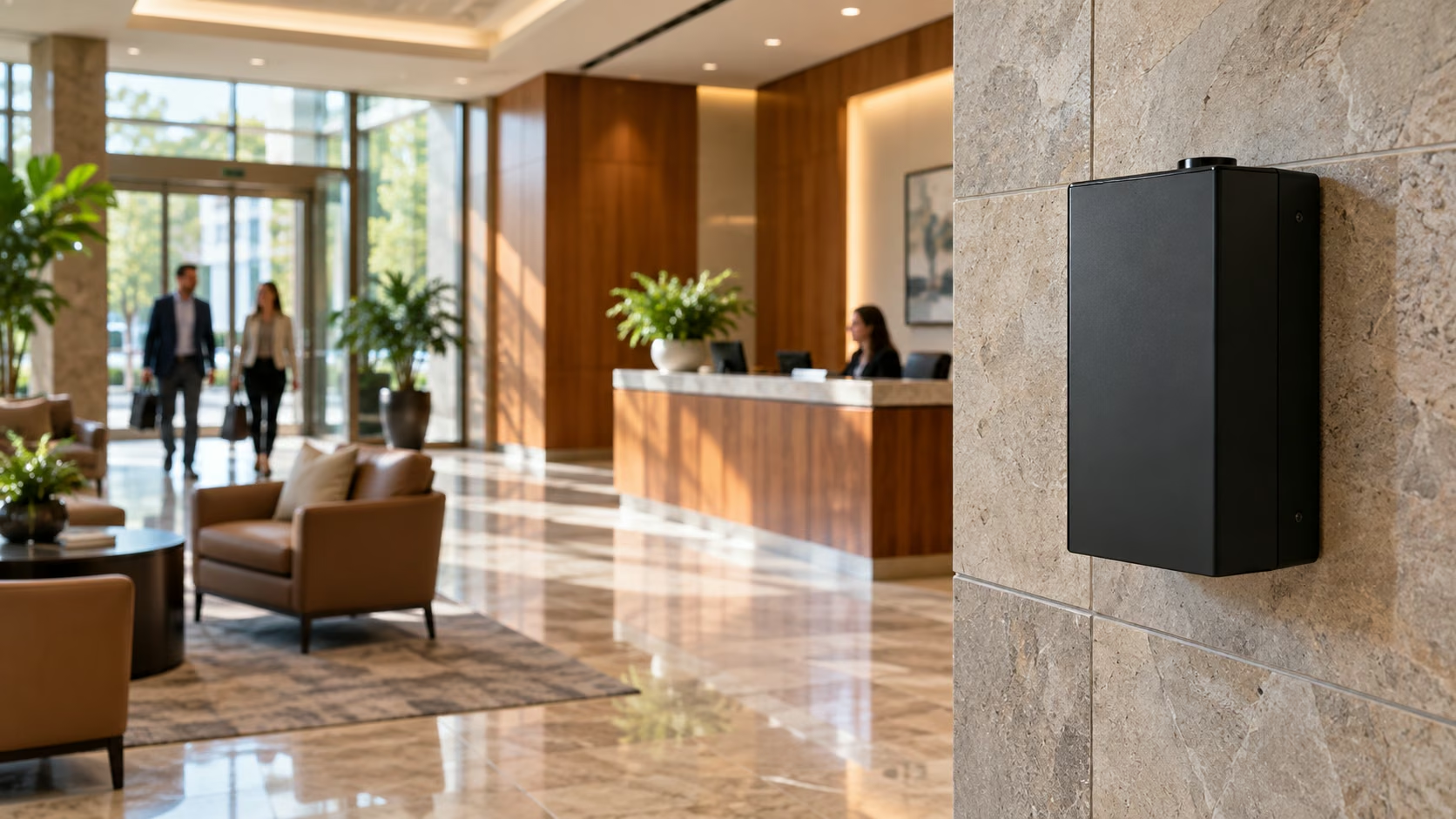
To make an office smell good, start by removing what makes it smell bad, then add a light, consistent fragrance in the spaces where people form their impression of the building: the entrance, the lobby, elevator landings, corridors and shared rooms. Most offices that get this right do four things in order: find and fix odor sources, choose a fragrance that fits the building, deliver it with equipment matched to each space, and keep the intensity low enough that people notice it on arrival and then stop noticing it.
This guide is written for the people who make that call: property managers, building engineers, office managers and facilities teams.
Why does an office smell bad in the first place?
Office odors rarely come from the room where people notice them. The usual sources are predictable:
- Waste areas. Trash rooms, loading docks and recycling areas, especially when they share air with a corridor or a stairwell.
- Restrooms and break rooms. Heavy daily use, food reheated in microwaves, and drains that dry out on low-traffic floors.
- Parking structures. Exhaust that drifts into elevator lobbies through doors that open all day.
- Carpet, furniture and closed-up rooms. Conference rooms and suites that sit empty on hybrid schedules can smell stale when they open again.
- Air handling. Filters past their service life and returns that pull air from one area into another.
A walkthrough usually answers more than a floor plan does. Note where the complaint is, then trace back to where the smell is generated and how the air carries it.
Step 1: Fix the odor sources before adding fragrance
Fragrance placed on top of an active odor ends up competing with it, and the building smells like both. Before anything else:
- Fix housekeeping gaps in restrooms, break rooms and waste areas.
- Check filter schedules and ask your building engineer how air moves between floors and zones.
- Keep doors between parking, loading areas and occupied space closed where possible.
- Treat sources that cannot be removed. A trash room will always be a trash room, so use odor-neutralizing treatment there rather than a stronger scent.
Our commercial odor control service combines odor-neutralizing technology with fragrance for these areas. The room-by-room odor diagnosis guide walks through the method in more detail.
Step 2: Decide where the building should carry a scent
Where to scent is your decision. Some buildings scent only the main lobby. Others carry the same fragrance through elevator landings, corridors, restrooms, conference rooms, tenant lounges and fitness centers. The spaces that tend to matter most:
- Entrance and main lobby. This is where visitors, prospective tenants and new hires form their first impression. It is the most common starting point.
- Elevator lobbies and corridors. These connect the building, and a consistent fragrance here helps the whole property feel considered.
- Restrooms. High-traffic restrooms usually benefit from a combination of odor control and fragrance.
- Amenity spaces. Tenant lounges, conference centers and fitness rooms often use the same fragrance family as the lobby, or a different direction suited to the room.
- Tenant suites and reception areas. Tenants can carry the building fragrance into their own space, or choose their own.
For property teams, the lobby is part of how a building is marketed. The lobby effect article covers how scent fits into leasing tours and tenant experience.
Step 3: Choose a fragrance that fits the building
A fragrance that smells great on a sample strip can feel wrong in a large stone lobby, and the reverse is also true. A few practical guidelines:
- Match the building's character. A Class A tower with dark wood and stone may suit a warmer, woody direction. A bright, modern creative office may suit something clean and fresh. The guide to matching fragrance to building class and tenant profile goes deeper.
- Keep it broadly appealing. An office serves hundreds of people every day. Clean, light fragrances tend to suit shared spaces better than heavy or sweet ones.
- Avoid food-like scents near break rooms and cafes, where they compete with real food.
- Library or custom. Library fragrances are readily available, so you can trial one right away. A custom signature blend takes about two weeks to develop and works well for owners who want one fragrance across a whole portfolio. Browse the commercial fragrance library.
Our fragrance oils are formulated in accordance with IFRA standards and meet California Proposition 65 requirements.
Step 4: Match the delivery method to each space
Coverage depends on matching the equipment to the room, not on the size of the machine. Most office buildings use a mix of the following.
HVAC scent systems
An HVAC-connected unit sends fragrance through the existing air handling, which suits large open floors, connected lobbies and whole-floor coverage. It needs coordination with your building engineer so the unit is placed on the right air handler and the fragrance reaches the intended zones.
Standalone and wall-mounted units
An office scent diffuser placed in the room suits separate spaces: a suite reception, a conference room, a corridor or a restroom. Standalone units can be moved as needs change. Wall-mounted units are permanent and discreet, which suits high-traffic corridors and restrooms. Battery units cover spaces without outlets.
Many buildings combine both: HVAC for the lobby and common floors, and standalone units where a room is on a separate system or needs a different intensity. The comparison of HVAC scenting and standalone diffusers explains the trade-offs.
Step 5: Start low and tune by zone
The most common mistake in office scenting is running the fragrance too strong. A good target is a scent people notice when they walk in that fades into the background after a few minutes. Start at a low setting, walk the building at different times of day, and adjust zone by zone. Large lobbies with high ceilings and constant door traffic often need more output than a small elevator landing. Listen to feedback from tenants and staff in the first weeks and adjust intensity or placement as needed.
Step 6: Plan for refills and upkeep
A scent program only works if it stays consistent. When oil runs out, the building goes back to smelling like whatever was there before, and people notice. Ask any provider:
- Who forecasts oil usage and ships refills, and how far ahead?
- Who adjusts output when seasons change and the HVAC schedule shifts?
- Who answers the phone when a unit needs attention?
- Is the equipment included in the service, or is it a separate cost?
With Aroma Impressions, the service includes the diffuser, the fragrance, scheduled refills and ongoing support, so your team has no equipment or inventory to manage.
Who should own the scent program in an office building?
In multi-tenant buildings, the property manager usually owns common areas: the entrance, lobby, elevator landings, corridors, shared restrooms and amenity spaces. Tenants decide about their own suites. Some owners extend the building fragrance into tenant reception areas as an amenity, which keeps the experience consistent from the curb to the front desk. In single-tenant or owner-occupied offices, it usually sits with facilities or the office manager. Owners with several buildings often set one fragrance direction and service standard for the portfolio, with equipment set building by building.
What about people who are sensitive to fragrance?
Offices are shared spaces, so it is fair to plan for a range of preferences. The practical tools are the ones above: a light, broadly appealing fragrance, low intensity, careful placement, and a willingness to adjust after feedback. Which rooms are scented and how strongly is always your call. For more on fragrance standards, safety data sheets and indoor air quality, see Is commercial scenting safe?
Try it in your building first
Office buildings vary in size, layout and airflow, so the best way to judge a fragrance is to experience it in your own lobby with real traffic. Aroma Impressions offers a free seven-day trial: we send a diffuser and the fragrance you choose at no cost, and if it is not the right fit, you return it with the prepaid label in the box. See how we approach office building scent for property teams, or talk with a scent expert to plan your trial.
Office scenting FAQs
How do I make my office lobby smell good?
Fix any odor coming from nearby waste areas, parking or restrooms first. Then add a light fragrance that fits the building, delivered through the HVAC system or a standalone unit sized for the lobby, and tune the intensity so it is noticeable on arrival without being strong.
Can scent go through the building's HVAC system?
Yes. An HVAC-connected unit sends fragrance through the existing air handling, which suits lobbies and open floors. It should be placed in coordination with your building engineer so it serves the right zones.
How strong should an office fragrance be?
Light. Most people should notice it when they walk in and stop noticing it after a few minutes. Start low and adjust zone by zone.
Can we use our own signature scent?
Yes. You can start with a library fragrance, which is readily available, or develop a custom signature blend, which takes about two weeks.
Do we have to own the equipment?
No. Our service includes the diffuser, fragrance, scheduled refills and ongoing support.
Related reading: The lobby effect · HVAC scenting vs. standalone diffusers · Room-by-room odor diagnosis