.avif)
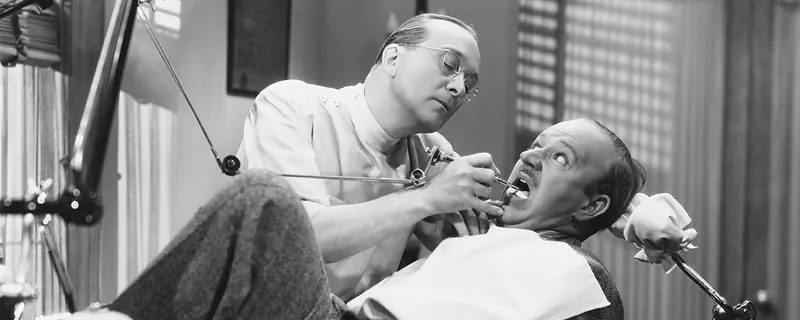
Most people can recognize a dental office with their eyes closed. The smell is so consistent from practice to practice that patients notice it before they reach the front desk, and for some of them it brings the whole visit back before it has started.
Your team stops noticing it after the first week. Your patients don't. This article covers where that smell comes from, why it matters more in dentistry than in almost any other business, and what a practice scent program changes and does not change.
Why do dentist offices all smell the same?
Most practices share the same three sources of that familiar smell:
- Dental materials. Products such as eugenol (clove oil), formocresol, Cresatin and acrylic monomer. Clove oil in particular is the note most people mean when they say “dentist smell.”
- Cleaning and infection control. Antibacterial soap, disinfectant wipes, sterilization and even latex gloves. All necessary, and all off-putting to some patients.
- Procedures. Fillings, crowns and root canals, including the smell of “tooth dust” created during drilling.
None of these can be removed, because they are part of doing the work properly. What a practice can change is how far those odors travel and what patients smell instead when they walk in.
Why the smell matters more in a dental practice
A dental office is one of the few businesses where a share of people actively avoid the visit. Surveys of dental anxiety consistently find that a meaningful proportion of adults delay or skip appointments because of it, though the figures vary widely between studies and populations, and we would not put a single number on it.
Smell is part of that association. The sense of smell is closely tied to the parts of the brain that handle memory and emotion, so a familiar odor can bring back how a past experience felt, good or bad. One study found that “clove oil invokes sensations of anxiety and fear in people who dislike the dentist,” while people who don't mind the dentist describe the same smell as pleasant. The scent has not changed. The memory attached to it has.
There is some direct evidence that changing the ambient scent changes how a dental waiting room feels. A study at the University Clinic of Neurology in Vienna tested orange and lavender in a dental waiting area and reported lower anxiety and better mood among waiting patients than among controls.
What that study does not establish: it measured how people said they felt while waiting. It did not measure clinical outcomes, attendance, or whether anyone came back. It is one trial in one clinic. Aroma Impressions does not claim that fragrance treats anxiety or any other condition. What a scent program changes is the first thing a patient notices when the door opens.
The smell is part of your brand
Your brand is more than your logo, signage and website. It is the whole experience a patient has with your practice: what they see, what they hear, and what they smell. Many practices invest in a well-designed waiting room, comfortable seating and the right music, then leave the one sense patients notice first to chance.
Scent can work alongside the rest of that design:
- A better first impression. Patients judge cleanliness and care quickly, and smell is part of that judgment. A waiting room that smells clean and fresh supports the impression you are already working to create.
- Another sense in the mix. The look of your space, the sound of it and the scent of it together make a more complete, more memorable experience than any one of them alone.
- Consistency. The same scent at every visit, and at every location if you have more than one, becomes part of how patients recognize your practice.
- A signature scent. Some practices choose a scent that belongs to them alone. A custom blend takes about two weeks to develop; fragrances from our existing library are ready right away.
Your team works in it all day
Patients spend an hour in your office. Your team spends the whole day there. Clinical smells that drift into the front desk, hallways and break room become part of everyone's workday.
Addressing those odors and choosing a scent your team likes gives them a more pleasant place to work. The practice stays in control: every diffuser has adjustable intensity, and your team decides which rooms are scented and how strongly.
How a practice scent program works
A good dental office scenting program starts with odor, not fragrance. Adding fragrance on top of clinical smells without addressing them usually produces a mix that is worse than either one.
- Map the odors and airflow. A walkthrough identifies where smells start and how they travel toward reception and the waiting room.
- Treat the sources. Odor-neutralizing fragrance is placed near the sources, with the airflow in mind.
- Add fragrance where patients notice it. Most practices start with reception and the waiting room. Which other rooms are included is up to the practice.
- Choose the delivery. Cold-air diffusers turn fragrance oil into a fine dry mist without heat or water. Smaller spaces use standalone units; larger offices can scent through the HVAC system.
- Set the intensity. Dental offices usually do best with lighter settings. Intensity can be raised, lowered or turned off room by room at any time.
Choosing a fragrance for a dental office
The best fragrance for a practice is usually one most people would call clean and light rather than noticeable or sweet. Many practices pair an odor-neutralizing formula in clinical areas with a soft signature scent in reception.
Our library includes more than 200 commercial fragrances, and we send free samples so your team can choose together. Our fragrance oils are IFRA-compliant and California Prop 65-compliant. If you want a scent no other practice has, a custom blend takes about two weeks.
What scent does and does not do
A scent program helps address the dental smell patients notice when they walk in, and gives them a more pleasant first impression of the visit. It supports the look and feel of your practice and gives your team a more pleasant place to work.
It is not a treatment for anxiety or any other condition, and it does not replace cleaning, ventilation or the way your team treats patients. It is one part of the experience, and usually the first part a patient notices.
The Aroma Impressions advantage
If you want to reduce unwanted dental odors in your office, we can deliver:
- Consistency of scent throughout your practice, and across locations
- Odor control planned around your materials, rooms and airflow
- Room-by-room intensity your team can adjust at any time
- A free 7-day trial in your reception or waiting area, with return shipping on us
Related reading: Dental office scenting and odor control · Commercial odor control · Choosing the right fragrance for your space · HVAC scenting vs. standalone diffusers